

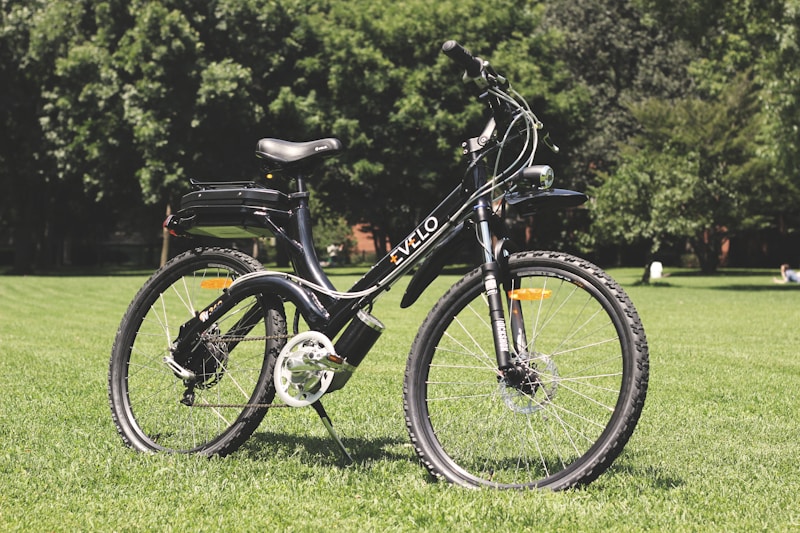
A central Illinois law enforcement agency is reviewing its local ordinances following a meeting regarding the state’s complex legal classifications for e-bikes and motorized scooters.
Monticello Police Chief Rob Bross explains that while a pending state bill slated to be in effect at the start of next year aims to address some legislative discrepancies, local municipalities currently retain the authority to construct targeted local ordinances to manage alternative vehicles safely.
The legal framework for e-bikes establishes three distinct operational tiers based on top speed and power delivery, though all three are classified as pedal-assisted. Class 1 e-bikes maintain a maximum speed of 20 miles per hour and carry no rider age restrictions. Class 2 models also cap speeds at 20 miles per hour but feature a direct throttle mechanism that operates without pedaling, also without an age limit. While Class 3 models can achieve speeds of up to 28 miles per hour, state law mandates that operators must be at least 16 years of age.
While all three classes are permitted on standard roadways, dedicated bike lanes, and shared paths, Illinois law strictly prohibits riding e-bikes on public sidewalks. The Chief points out that local ordinances frequently bar their use on walking or hiking trails.
To manage these variations, Monticello officials are exploring regulatory frameworks similar to the city's existing permitting systems for golf carts and utility terrain vehicles - or UTVs.
Chief Bross emphasizes any potential local ordinance would focus strictly on basic traffic safety—such as requiring functional lighting—rather than sweeping bans.